

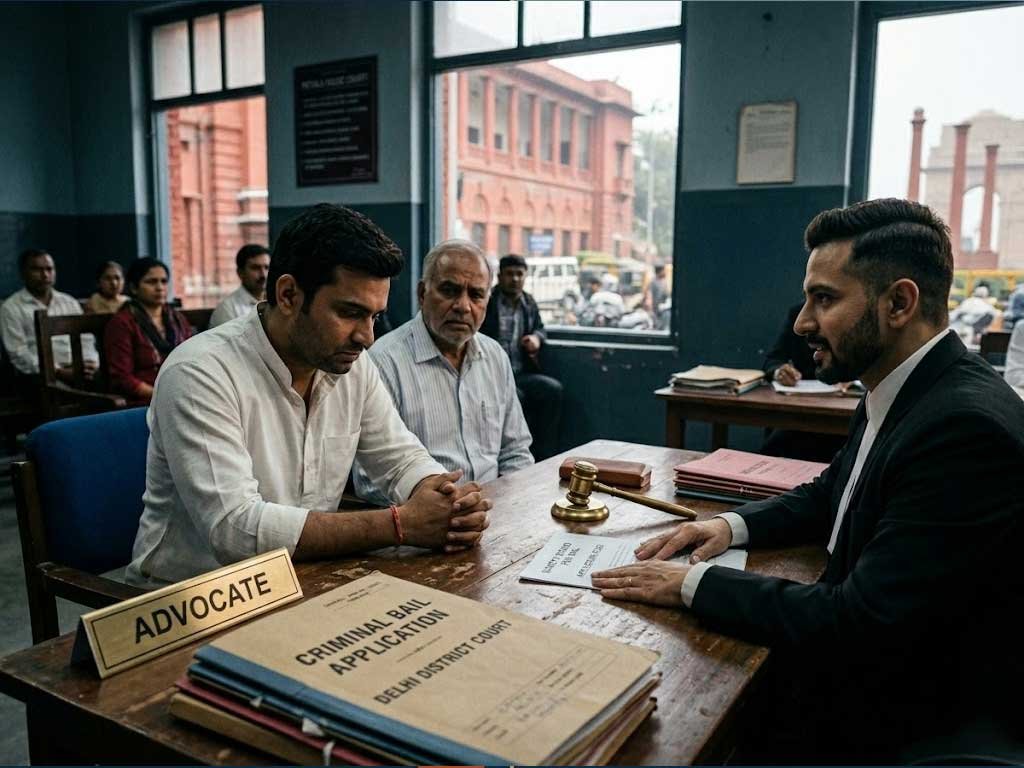
Criminal Bail Process in Delhi: A Complete Guide Bail is a fundamental right under Indian criminal law, and understanding the bail process in Delhi courts is essential for anyone involved in criminal proceedings. This guide covers the different types of bail, filing procedures, and practical tips for securing bail in Delhi courts. There are three…
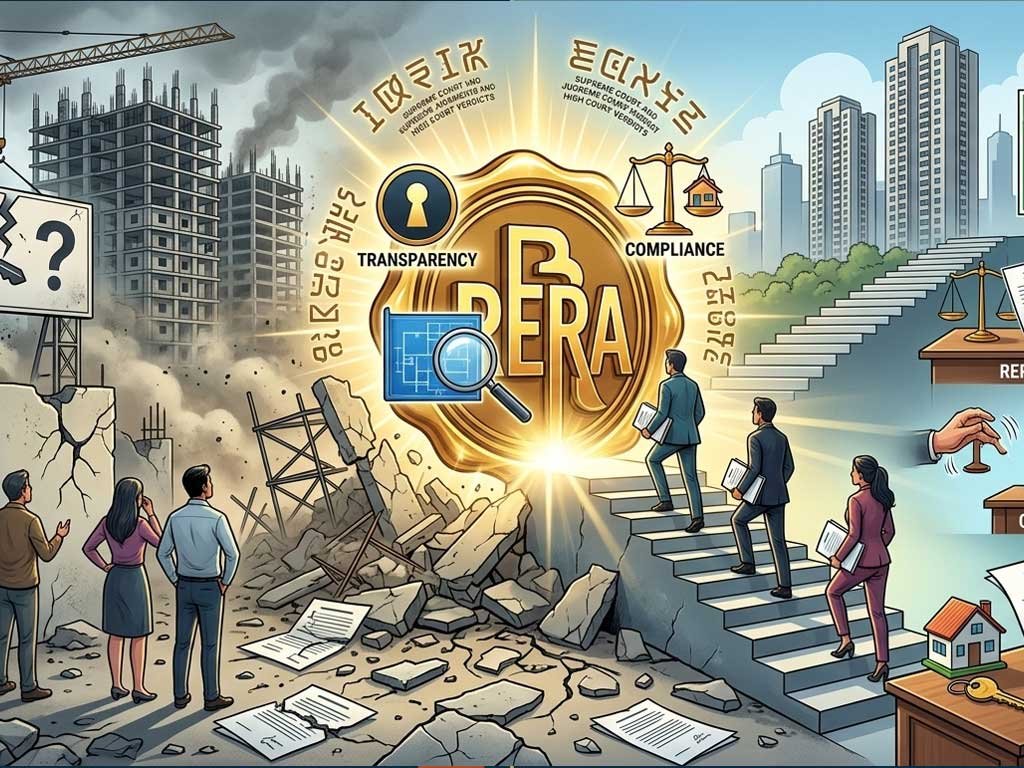

Builder-buyer disputes have become increasingly common in Delhi-NCR, with homebuyers facing issues ranging from delayed possession and construction defects to unfair contract terms and hidden charges. Understanding your legal rights as a homebuyer is the first step toward seeking justice. The Real Estate (Regulation and Development) Act, 2016 (RERA) has been a game-changer for homebuyers…

Property partition is a significant legal process that involves dividing jointly held property among co-owners. Whether inherited through succession or acquired jointly, understanding partition law in India is essential for anyone seeking to separate their share from common property. Under Indian law, every co-owner has the right to seek partition of joint property. This right…

The Indian criminal justice system has undergone significant transformation with the introduction of the Bharatiya Nyaya Sanhita (BNS), Bharatiya Nagarik Suraksha Sanhita (BNSS), and Bharatiya Sakshya Adhiniyam (BSA), replacing the colonial-era Indian Penal Code, CrPC, and Indian Evidence Act respectively. Understanding the criminal process begins with the First Information Report (FIR), which is the first…

Property rights in India are protected under various constitutional provisions and statutory laws. Article 300A of the Constitution guarantees that no person shall be deprived of their property save by authority of law, providing a fundamental safeguard for property owners. The Transfer of Property Act, 1882 governs the transfer of property between living persons, including…